
Products, Tips, Tutorials
and More
Most Popular
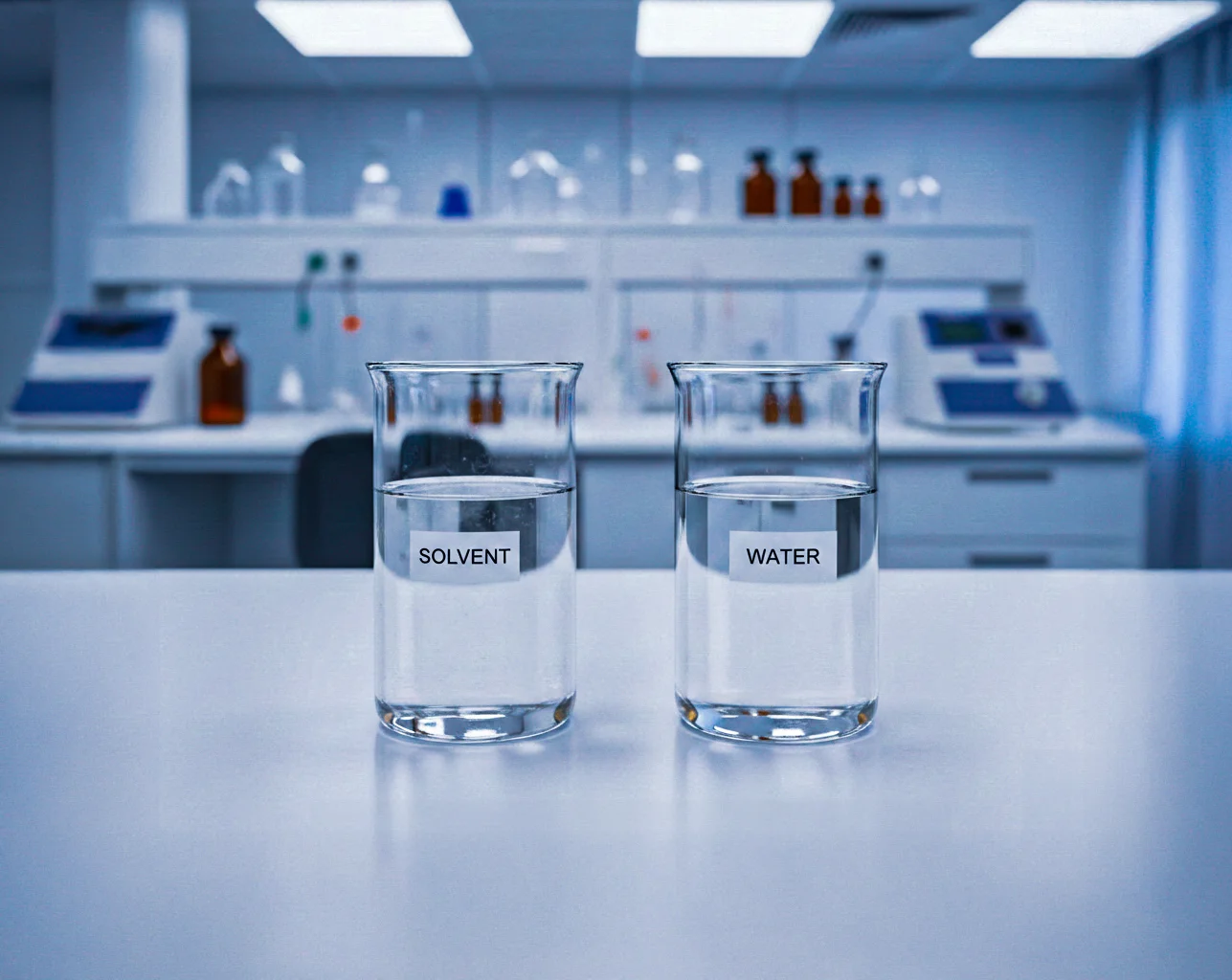
Solvent-Based vs. Water-Based Adhesives: Pros and Cons
Compare solvent-based and water-based adhesives. Learn their pros, cons, and best uses to choose the right adhesive for your project.
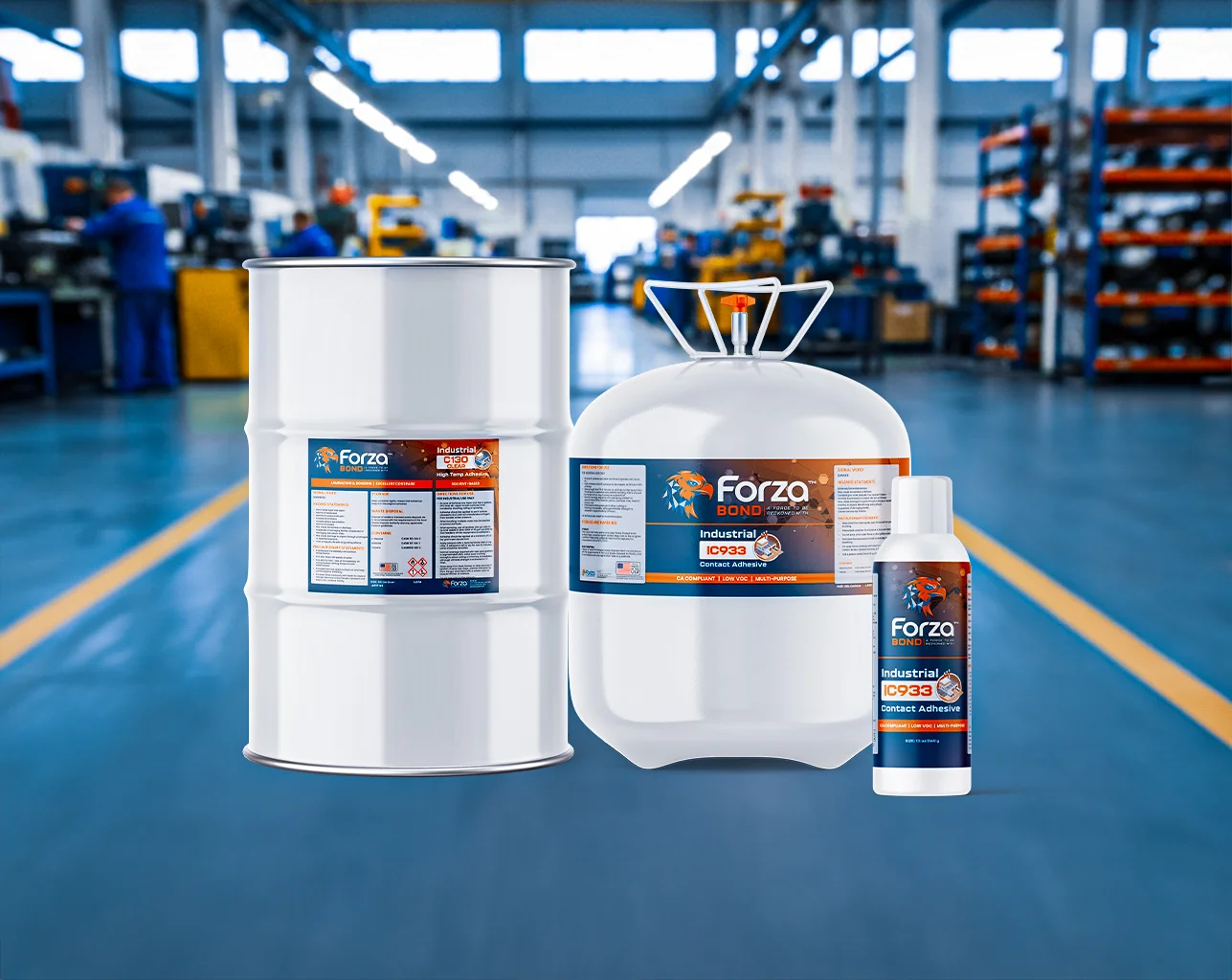
Contact Cement vs Contact Adhesive: Key Differences
What's the difference between contact cement and contact adhesive? Expert guide covering durability, application methods, and which bonding solution fits your project.

Best Structural Adhesives for Fiberglass Bonding
Which adhesive works best for fiberglass? Compare epoxies, methacrylates, and urethanes for stronger, weather-resistant fiberglass bonds in industrial applications.
Products, Tips, Tutorials
and More
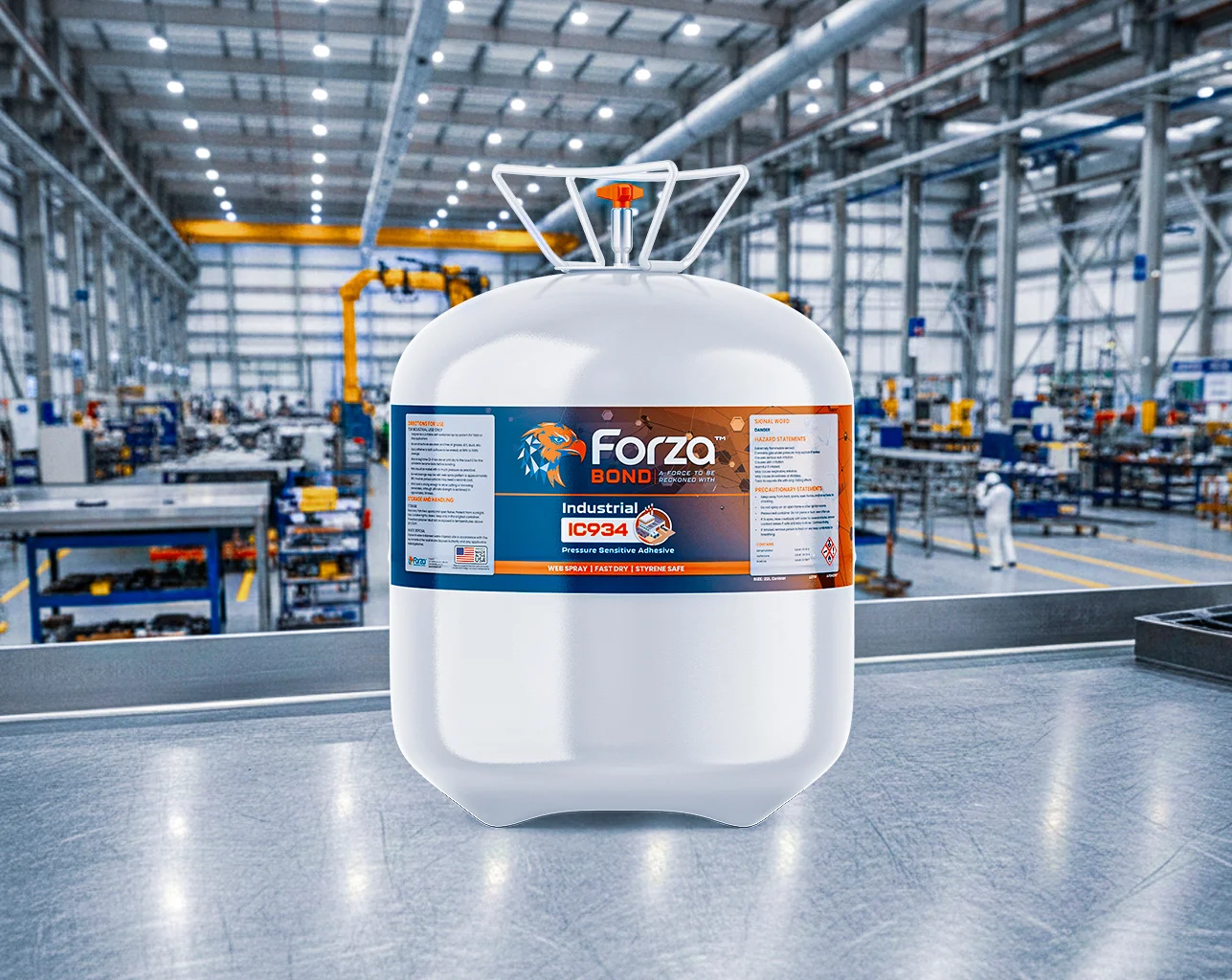
Product Spotlight: ForzaBOND IC933 Canisters and 13oz Aerosol adhesive
ForzaBOND ® IC933 is a revolutionary multi-purpose contact adhesive that not only sets new standards in bonding performance but also adheres to the most stringent California VOC requirements outlined in the South Coast Air Quality Management District (SCAQMD) Rule 1168.
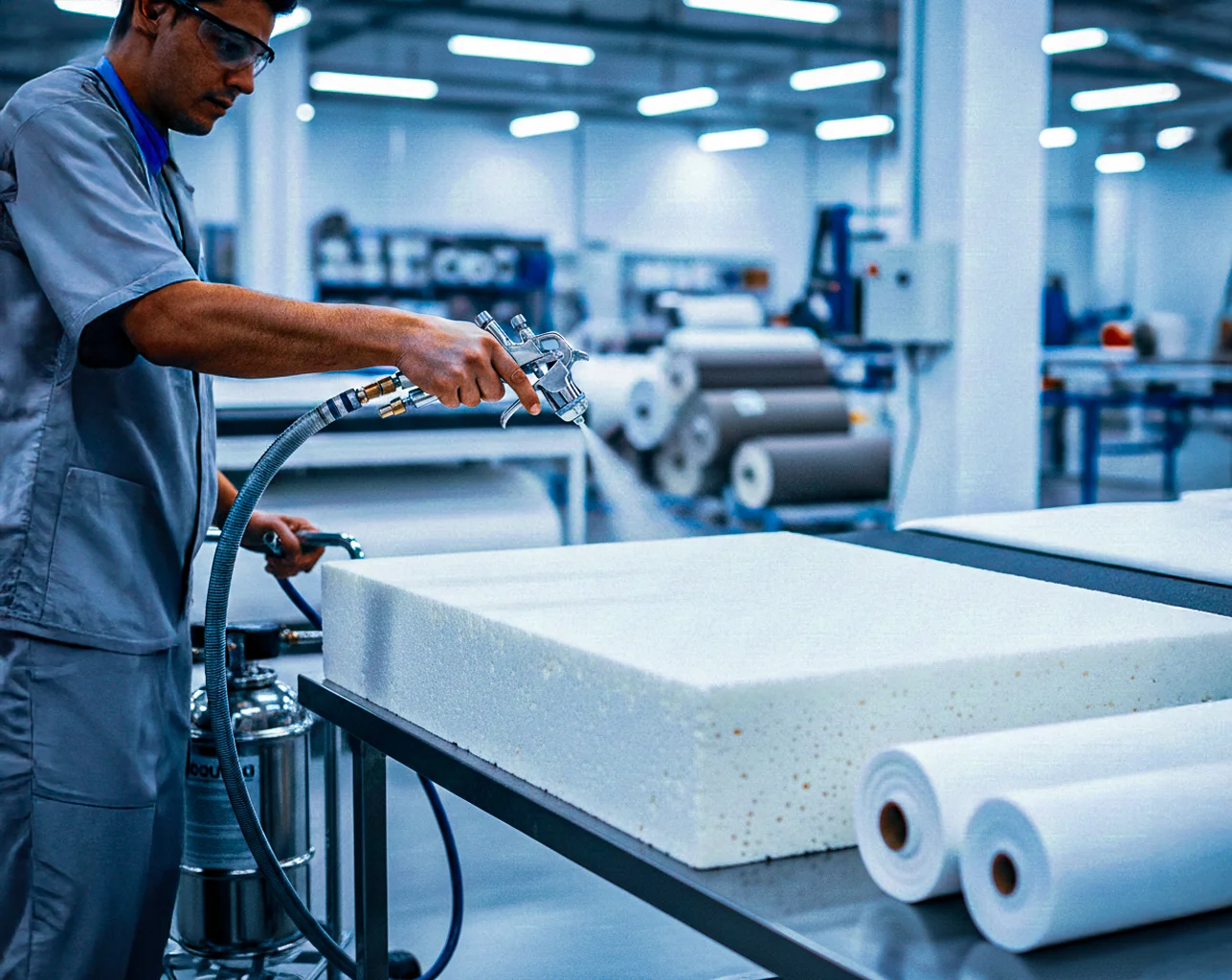
IC932 Sprayable Contact Adhesive: The Ultimate Solution for Unparalleled Efficiency
Calling all mattress manufacturers! Are you tired of dealing with adhesive limitations and inefficiencies that slow down your production line? Look no further than IC932 Sprayable Contact Adhesive – the game-changing solution designed specifically for your industry.
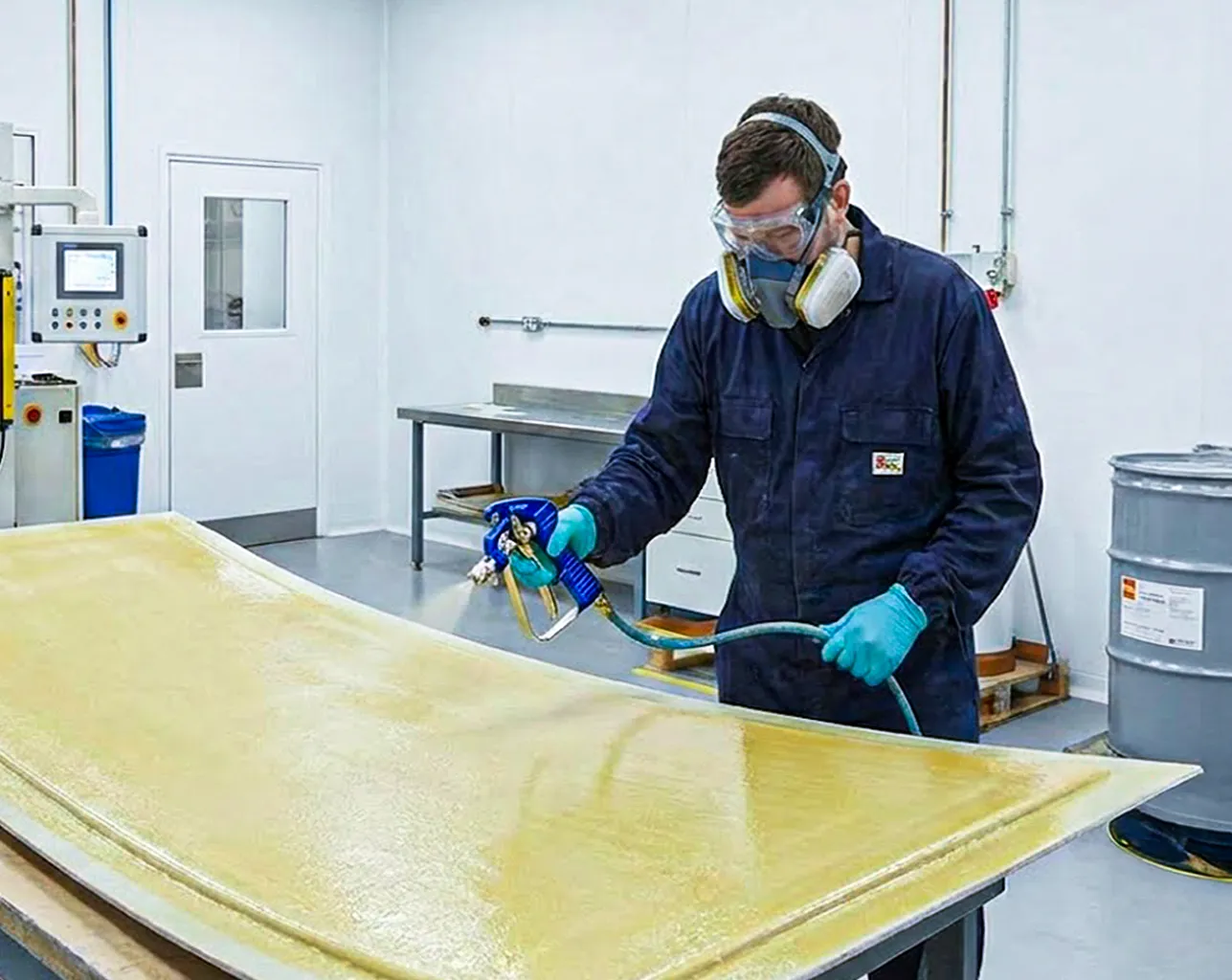
Mastering Application: Best Practices for Using Contact Adhesives in Manufacturing
Key Takeaways Surface Preparation: Cleaning and prepping surfaces is fundamental for a strong adhesive bond, removing contaminants that can weaken the bond. Even Application: Proper spray techniques ensure uniform coverage and optimal bonding performance. Curing Time: Understanding the difference between drying and curing is crucial for manufacturing efficiency.
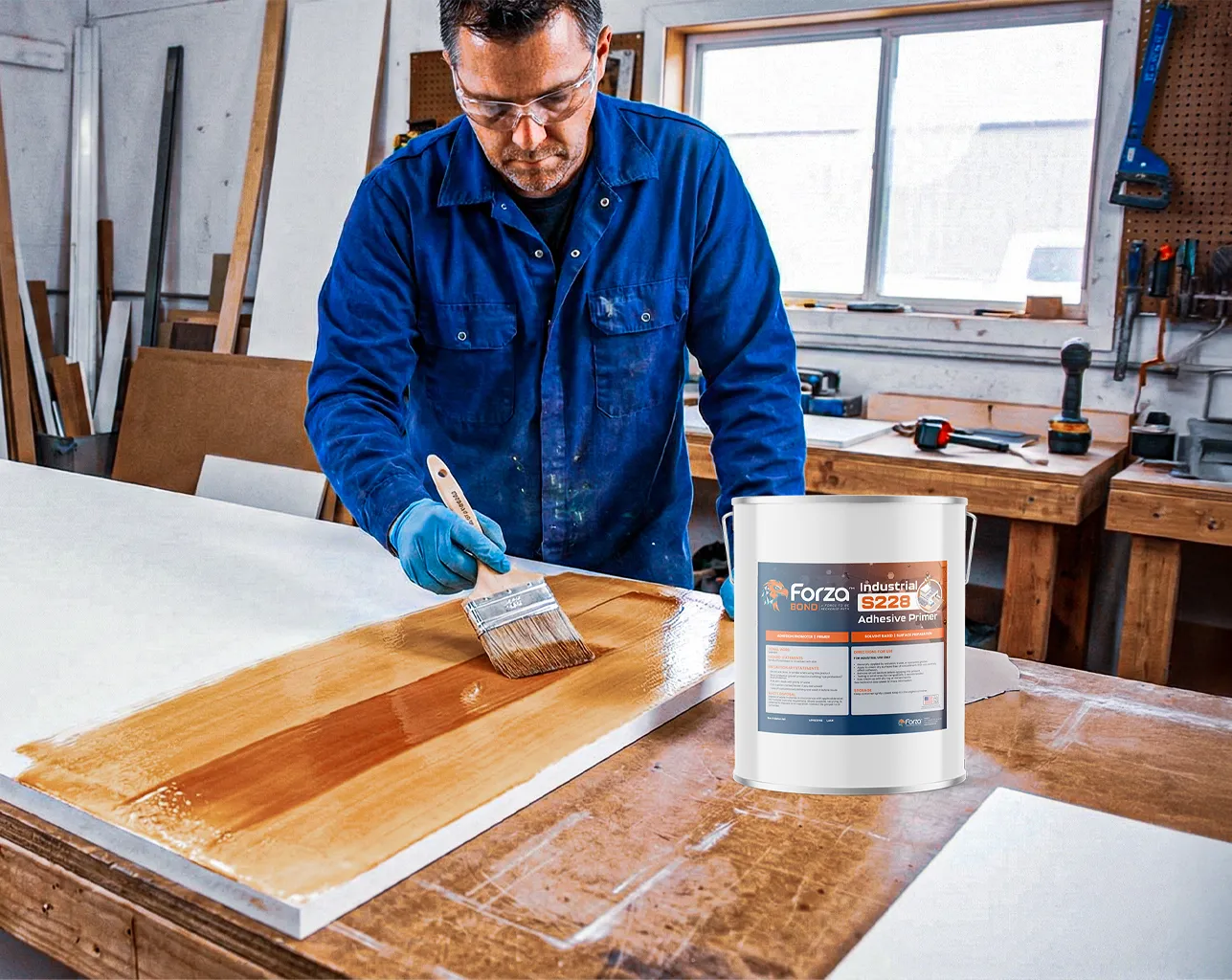
Unlock the Power of Adhesion with S228 Adhesive Primer: A Journey into Enhanced Bonding Performance
In the vast world of adhesives, achieving a reliable bond on certain materials can be a perplexing challenge. Enter S228 Adhesive Primer – a revolutionary solution designed to enhance bonding performance across a wide range of substrates.
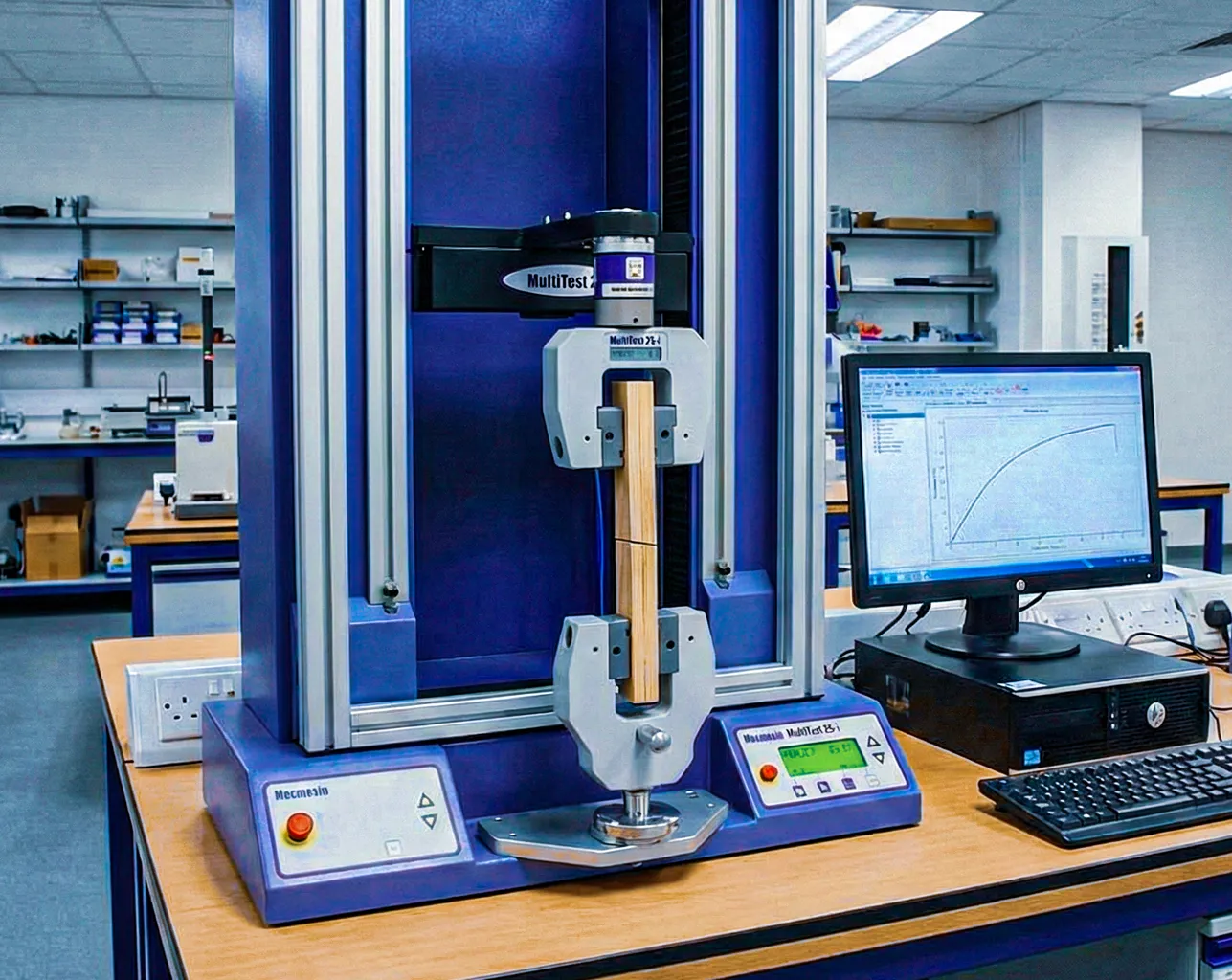
Strength and Durability Unveiled: Analyzing Contact Adhesives in Industrial Applications
Key Takeaways Chemical Composition: The blend of polymers, resins, and solvents in contact adhesives is key for performance. Durability Testing: Comprehensive testing methods ensure reliability in industrial environments. Industrial Standards: Meeting specific requirements for various manufacturing applications.

Introducing OA12: The Fast Grab Adhesive with High Green Strength
Are you tired of waiting for your adhesive to dry and set? Look no further than OA12, the ultimate solution for your bonding needs. With its exceptional fast grab properties and high green strength, OA12 revolutionizes the way you approach adhesive applications.
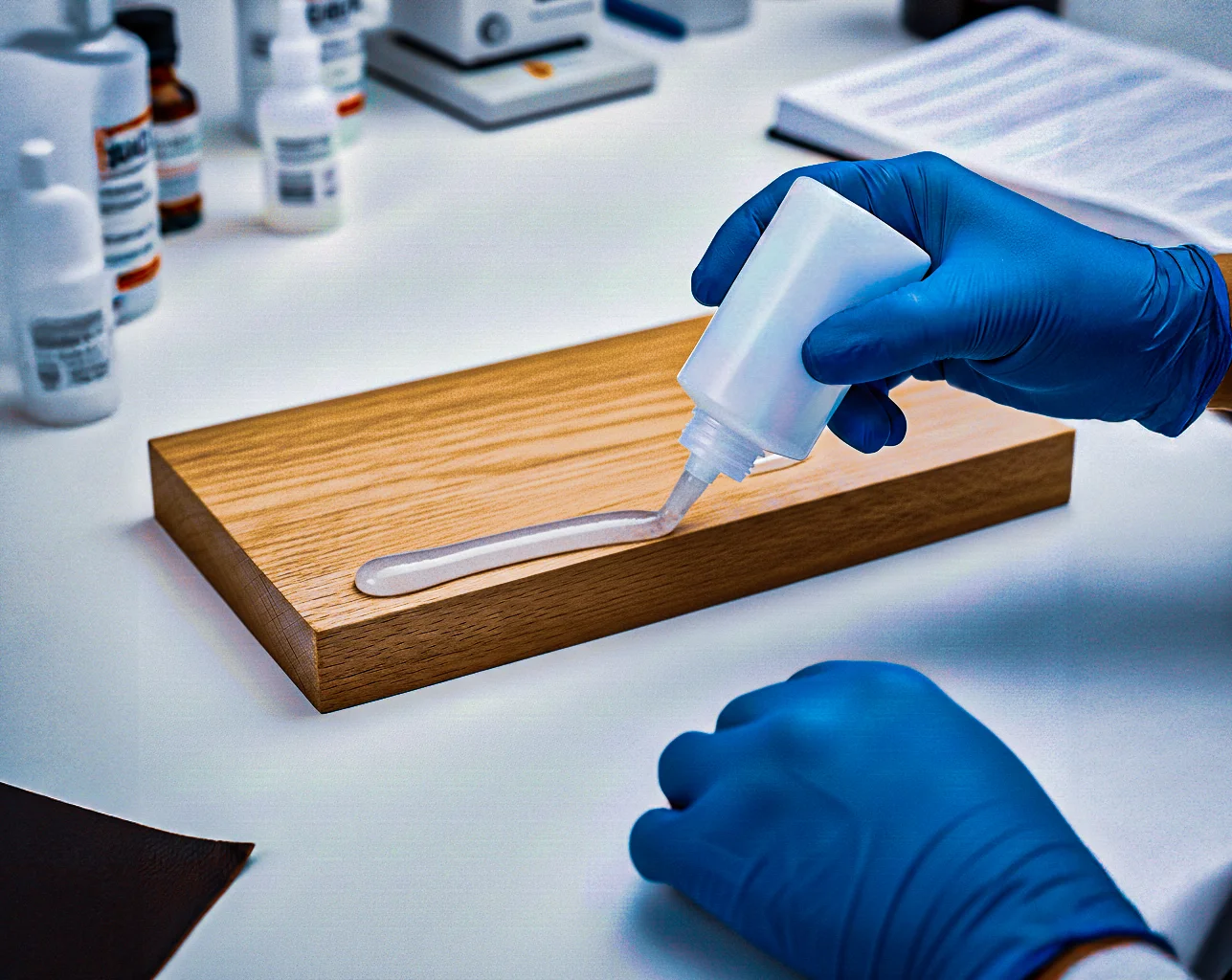
Product Spotlight: Forzabond CA GEL
Forzabond CA GEL is one of our specialty adhesives, a high viscosity, surface insensitive cyanoacrylate (AKA superglue, instant adhesive) in a thicker gel form. It is generally applied to porous surfaces where a thin liquid would be absorbed too quickly.

Which Adhesive Holds Up Best in Bad Weather?
Test results: how contact adhesives compare to traditional glues for weather resistance. See which bonds survive rain, heat, cold, and humidity in real conditions.
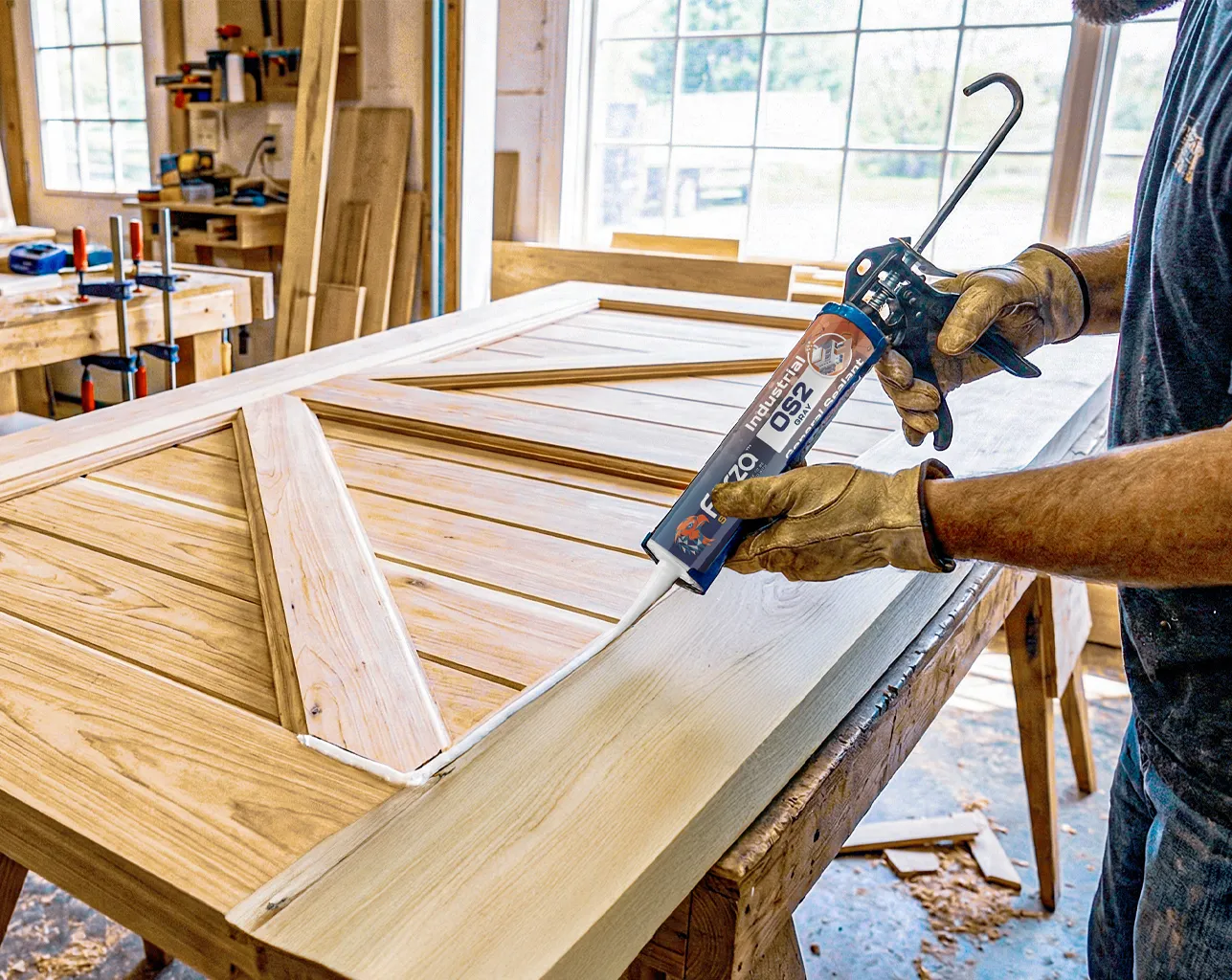
Product Spotlight: ForzaSEAL™ OS2
ForzaSEAL™ OS2 is one of our non-hazardous ms polymer moisture cure sealants. It seals/bonds many applications in the marine, trailer, transportation and other outdoor activity industries.
In the News
View All News

Forza Celebrates Historic Growth and Record Customer Loyalty with Launch of New Eagle Brand Identity
Forza achieves record-breaking revenue and customer loyalty, introducing a new Eagle logo symbolizing precision, performance, and progress

Forza Launches ForzaBOND™ R160 5-Minute Epoxy—Expanding Its High-Performance Adhesive Solutions for Construction Pros
New ForzaBOND R160 5-Min Epoxy from Forza delivers faster installation, superior bonding, and USA reliability—helping professionals save time and reduce rework

FORZA Leads Industry Shift Toward Safer, More Sustainable MS Sealants and Polymers
Forza sets the new standard in industrial bonding with advanced MS polymers that meet evolving EPA and safety standards
Elevate Your Performance

Join Our Newsletter
Early access to new product launches and innovations
Exclusive industry insights and technical solutions
Expert tips and best practices for your applications
Follow Our LinkedIn
Stay informed with the latest industry insights & trends
Discover our latest product launches and innovations
Get expert tips and best practices for your applications