Mastering Application: Best Practices for Using Contact Adhesives in Manufacturing
Key Takeaways
- Surface Preparation: Cleaning and prepping surfaces is fundamental for a strong adhesive bond, removing contaminants that can impede adhesion.
- Application Techniques: Applying a uniform layer of contact adhesive and respecting open times are critical for achieving consistent and durable bonds.
- Curing Process: Adequate pressure and time allow contact adhesives to reach full strength, essential for the integrity of the final product.
- Safety Considerations: Proper ventilation, protective equipment, and responsible disposal are vital when working with contact adhesives to ensure user safety and environmental compliance.
- Adhesive Mastery: Combining art and science, the mastery of contact adhesive application significantly enhances product quality and manufacturing efficiency.
Introduction: Enhancing Product Quality with Optimal Adhesive Use
In manufacturing, the strength and durability of a product are often underpinned by the effectiveness of its bonding agents. Contact adhesives are widely celebrated for their robust bonding capabilities, but harnessing their full potential relies heavily on application techniques. This comprehensive guide delves into the refined art of using contact adhesives in manufacturing, offering insights for professionals to maximize adhesive effectiveness, ensuring durable and high-quality bonds.
Surface Preparation: Laying the Groundwork for Strong Bonds
The foundation of a robust bond is laid well before the adhesive comes into play. Effective surface preparation is a critical step that significantly influences the bond’s strength and longevity. This involves meticulously cleaning the surfaces to eliminate all contaminants such as dust, oils, and grease, which can impede the adhesive’s bonding capacity. Depending on the material, surface preparation may include wiping with solvents, sanding, or applying primers to enhance adhesive compatibility.
This stage is vital for ensuring the adhesive’s performance. Inconsistent or inadequate surface preparation can compromise even the highest quality adhesives. In the manufacturing world, where consistency and reliability are paramount, meticulous surface preparation is indispensable. This section explores various methods for preparing different materials, ensuring that each surface is optimally ready for adhesive application.
Application Techniques: Achieving Uniformity and Precision
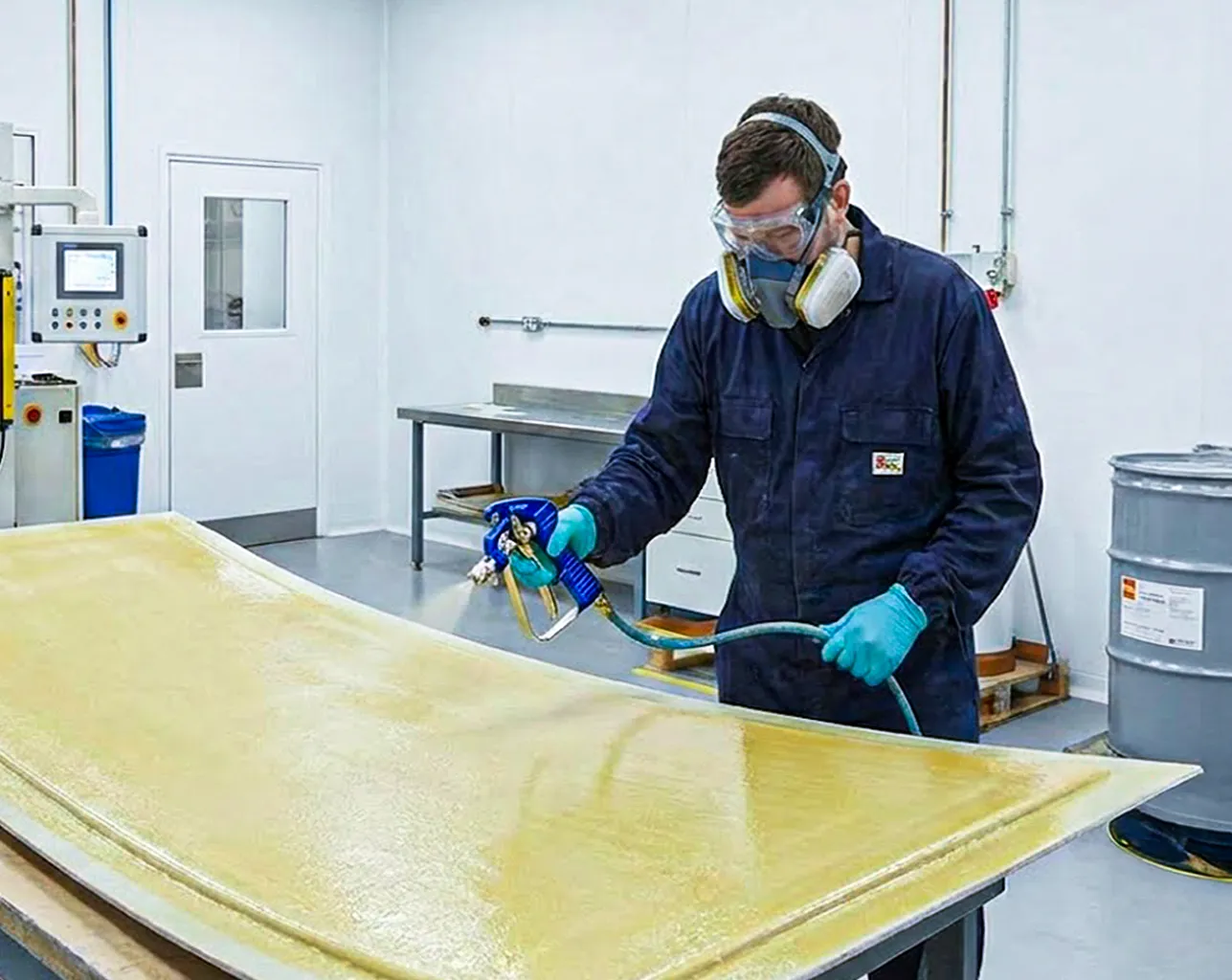
The application of contact adhesive is a delicate balance between art and precision. It requires a uniform layer across the surface, with thickness playing an important role. An overly thin layer may lead to insufficient coverage, while too thick a layer can cause messiness and weaken the bond. Consistency in application is vital for uniformity across products.
Another key aspect is adhering to the adhesive’s open time—the period between application and bonding. This phase, where the solvent evaporates, is critical for achieving the adhesive’s maximum bonding potential. Understanding and adhering to the correct open time, which can vary with different adhesives and environmental conditions, is vital for ensuring a strong bond.
Curing Process: Ensuring Full Adhesive Strength
After joining the surfaces, the adhesive enters its curing phase, undergoing chemical changes to form a permanent bond. Proper pressure application during this stage is essential, achieved through clamps, weights, or presses, depending on the project’s scale.
The curing period is meant for the adhesive to reach its full strength and should not be hastened. Factors such as adhesive type, bonded materials, and environmental conditions can influence curing time. In manufacturing, where every bond contributes to the product’s integrity, ensuring a thorough cure is essential.
Safety Considerations: Responsible Adhesive Handling
Handling industrial adhesives, particularly solvent-based types, demands rigorous safety measures. Adequate ventilation is necessary to prevent hazardous fume accumulation. Personal protective equipment like gloves and goggles protect against skin and eye exposure. Proper storage conditions—cool and dry—are important for maintaining adhesive effectiveness, and responsible disposal of waste materials is necessary for environmental and safety compliance.
Conclusion: Art and Science in Adhesive Application
Mastering contact adhesive use in manufacturing is a fusion of art and science. It involves understanding the adhesive’s properties, thorough preparation, precise application, and patient curing. Following these best practices ensures the creation of strong, durable bonds, contributing significantly to the final product’s quality and longevity. In the competitive world of manufacturing, where quality and efficiency are critical, adept adhesive application can significantly enhance product integrity and performance.
Mastering the application of contact adhesives in manufacturing goes beyond just using a bonding agent; it’s about a comprehensive process that demands knowledge, precision, and attention to detail. By adhering to these best practices, manufacturers can ensure their products are durable and high-quality, reflecting the excellence that distinguishes top-tier manufacturing.
Call to Action
At Forza Built, we offer more than just high-quality industrial adhesives; we provide partnership in your manufacturing endeavors. Our team is dedicated to supplying not only the best adhesive solutions but also the expertise for their effective application. From selecting the right adhesive to guiding its optimal use, we’re committed to ensuring your manufacturing processes meet the highest standards. Contact us to discover how our products and expertise can enhance your manufacturing projects.
FAQs
1. Why is surface preparation important in using contact adhesives?
The strength and longevity of bonds with contact adhesives heavily depend on surface preparation. This step involves thoroughly cleaning the surfaces to remove contaminants like dust, oils, and grease. Depending on the material, methods can include wiping with solvents, light sanding, or using primers. This preparation is essential because even the best adhesive can fail if applied to a poorly prepared surface. In manufacturing, where consistency and reliability are key, ensuring that every surface is properly prepared is necessary for optimal bonding.
2. What are the best techniques for applying contact adhesives?
The application of contact adhesives requires precision and consistency. The adhesive should be applied uniformly to achieve the right thickness. Too thin a layer may not cover adequately, while too thick can lead to oozing and weaken the bond. Another vital aspect is respecting the adhesive’s open time—the period after application but before joining the surfaces. During this time, the solvent evaporates, preparing the adhesive for optimal bonding. The open time varies with different adhesives and environmental conditions, and understanding this timing is necessary for maximum bond strength.
3. How does the curing process affect the strength of the bond in contact adhesives?
The curing process is critical for contact adhesives to form a strong, permanent bond. Once the adhesive is applied and the surfaces are joined, applying the right amount of pressure is paramount. The curing time varies based on adhesive type, materials bonded, and environmental conditions. This stage is where the adhesive achieves its full strength and durability, and it is important not to rush this process. In manufacturing, where every bond contributes to the overall product integrity, ensuring proper curing is needed for durable, high-quality bonds.
4. What safety considerations should be taken when working with contact adhesives?
Working with contact adhesives, especially solvent-based types, requires strict safety protocols. Adequate ventilation is vital to prevent the accumulation of harmful fumes. Personal protective equipment, like gloves and safety goggles, is essential to protect against skin and eye exposure. Proper adhesive storage in cool, dry conditions is important for maintaining efficacy. Additionally, responsible disposal of waste material, adhering to environmental regulations and safety standards, is required for safe and sustainable manufacturing practices.
5. How can mastering the use of contact adhesives impact manufacturing success?
Mastering the use of contact adhesives in manufacturing involves understanding the adhesive’s properties, meticulous preparation, precise application, and patient curing. These best practices ensure the creation of strong, durable bonds that lead to product quality and longevity. In the competitive field of manufacturing, where quality and efficiency are paramount, the correct application of adhesives can significantly enhance product integrity and performance. By following these guidelines, manufacturers can ensure their products are durable and reflect the high standards expected in top-tier manufacturing. This mastery is not just about applying an adhesive; it’s a comprehensive process that demands knowledge, skill, and attention to detail, all of which contribute to the overall success and reputation of the manufacturing process.
6. What support does Forza Built offer in the application of contact adhesives in manufacturing?
Forza Built is more than just a supplier of industrial adhesives; they act as partners in manufacturing success. Their team of experts provides not only top-quality adhesive solutions but also extensive knowledge and support for their effective use. From selecting the right adhesive to guiding through its optimal application, Forza Built ensures that manufacturing processes meet the highest standards of quality and efficiency. They offer tailored solutions and expert advice, making them an invaluable resource for manufacturers looking to elevate their products and processes.
Related Articles
View All
Recent Posts

Need Expert Advice
Our engineering team is ready to help you find the perfect adhesive solution for your application.
Contact an EngineerRecent News & Articles

Elevate Your Performance

Join Our Newsletter
Early access to new product launches and innovations
Exclusive industry insights and technical solutions
Expert tips and best practices for your applications
Follow Our LinkedIn
Stay informed with the latest industry insights & trends
Discover our latest product launches and innovations
Get expert tips and best practices for your applications